

The Quiet Necessity: Reflecting on the Fluidity of Life
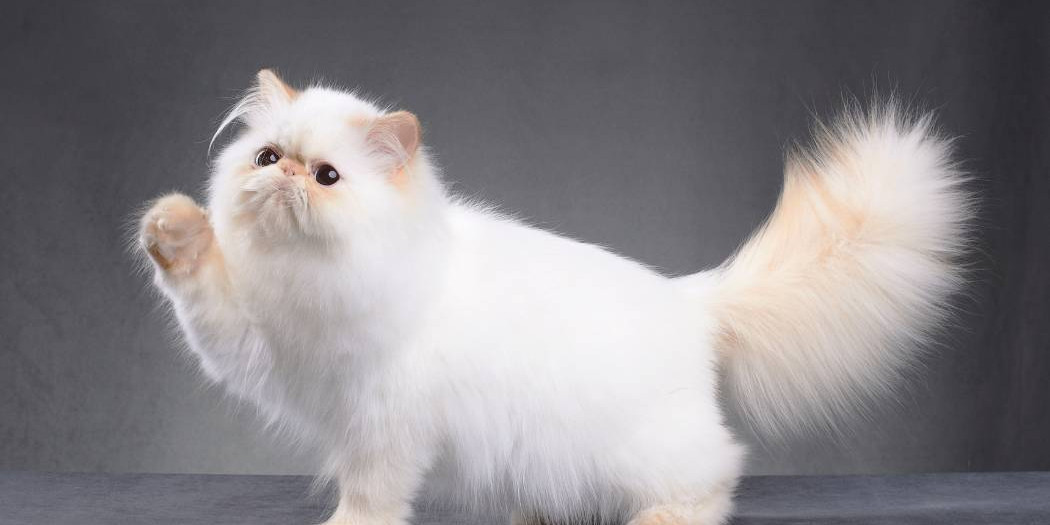
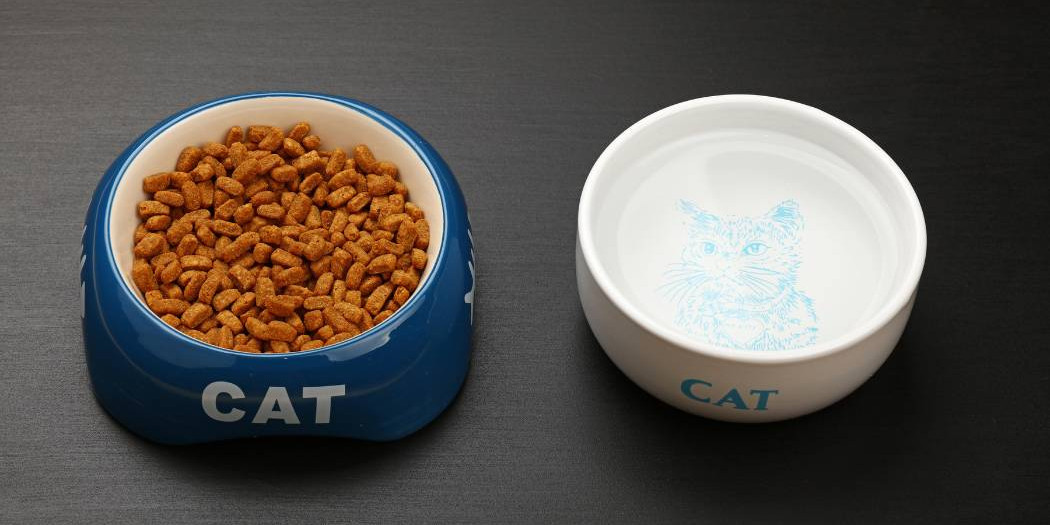
In the stillness of a sun-drenched afternoon, we often watch our cats curled in a perfect crescent, their breathing shallow and rhythmic. In these moments of domestic peace, it is easy to forget that beneath that soft fur lies the biology of an apex predator—a creature sculpted by the harsh, arid landscapes of the Near East. As we look at the ceramic bowls filled with crunchy kibble, we must ask ourselves: are we honoring that biology, or have we inadvertently drifted away from the very essence of what sustains them? Hydration is not merely a box to be checked; it is the silent pillar of feline longevity, a mandate written into their DNA that we, as guardians, must learn to read.
The Ancestral Echo: From Desert Sands to Living Room Rugs
To understand the cat’s relationship with water, we must look back at the African wildcat (Felis lybica), the progenitor of our modern companions. These ancestors thrived in environments where standing water was a rarity. Consequently, they evolved a low thirst drive, obtaining the vast majority of their moisture from the prey they consumed—birds and small rodents that were composed of roughly 70% to 75% water.
Today, our cats live in climate-controlled homes, yet their physiological blueprint remains unchanged. They do not possess the instinctual urge to lap up water at a bowl to compensate for a dry diet. When we provide a diet consisting primarily of dry kibble—which often contains less than 10% moisture—we create a biological deficit. We are asking a desert-born creature to thrive in a state of chronic, low-level dehydration, a quiet strain that ripples through their renal and urinary systems over the course of a lifetime.
The Paradox of the Modern Bowl
The convenience of the modern pet food industry has brought us many benefits, but it has also introduced a paradox. We offer our cats ‘complete and balanced’ nutrition, yet we often omit the most vital nutrient of all: water. When a cat consumes dry food, they do not naturally drink enough water to reach the level of hydration they would achieve by eating wet food. This leads to highly concentrated urine, which serves as a breeding ground for crystals and stones, and places an undue burden on the kidneys.
As we reflect on the rising rates of Chronic Kidney Disease (CKD) in aging felines, we cannot help but wonder if the solution has been hiding in plain sight. Moisture is the medium through which life flows; it flushes toxins, regulates temperature, and ensures that every cellular process functions with grace. To ignore the moisture mandate is to slowly chip away at the foundation of their health.
Recognizing the Subtle Signs of Depletion
Cats are masters of stoicism. They do not wear their discomfort on their sleeves, and dehydration often manifests in ways so subtle that they go unnoticed until they become clinical. As observant owners, we must look for the whispers of a body in need of fluid.
- The Scruff Test: When you gently lift the skin between their shoulder blades, it should snap back instantly. A slow retreat suggests a loss of elasticity due to dehydration.
- The Luster of the Coat: A hydrated cat possesses a fur that gleams. A coat that appears dull, flaky, or unkempt can be a sign that the body is diverting moisture away from the skin to protect vital organs.
- Energy Levels: Chronic dehydration leads to lethargy. If the spark in their eyes seems dimmed, the culprit may be a simple lack of fluid.
- Litter Box Clues: Small, hard stools or very infrequent urination are red flags that the system is running dry.
Bridging the Gap: Cultivating a Hydrated Life
How then do we return to a state of biological harmony? It begins with a shift in perspective—seeing water not as an accessory, but as the core of the meal. Transitioning to a moisture-rich diet is perhaps the most profound gift we can give to our feline companions. Whether through high-quality wet food, raw diets, or simply adding a splash of bone broth to their meals, we are bringing them closer to their natural state.
Strategies for Encouraging Fluid Intake
Beyond the food bowl, we can tap into the cat’s instinctual preferences to encourage more frequent drinking. In the wild, still water is often stagnant and dangerous, which is why many cats are fascinated by the kitchen faucet.
- Invest in a Fountain: The sound and movement of running water signal freshness to a cat’s brain, often enticing them to drink more than they would from a still bowl.
- The Placement of Peace: In nature, cats rarely drink where they eat to avoid cross-contamination. Moving the water bowl away from the food dish can surprisingly increase their interest.
- Glass and Ceramic Over Plastic: Plastic can harbor bacteria and odors that a sensitive feline nose finds repulsive. Clean, tasteless vessels are always preferred.
A Legacy of Care
In the end, our journey with our cats is one of stewardship. We are the keepers of their health and the architects of their environment. When we prioritize hydration, we are doing more than just preventing disease; we are honoring the ancient lineage of the creatures we share our homes with. We are ensuring that their golden years are characterized by vitality rather than struggle.
As you watch your cat today, consider the silent mandate of moisture. It is a small change, perhaps—a spoonful of water, a change in texture—but in the long tapestry of their lives, it is the thread that holds everything together. Longevity is not a matter of luck; it is a reflection of the quiet, consistent choices we make to align their modern lives with their timeless needs.