
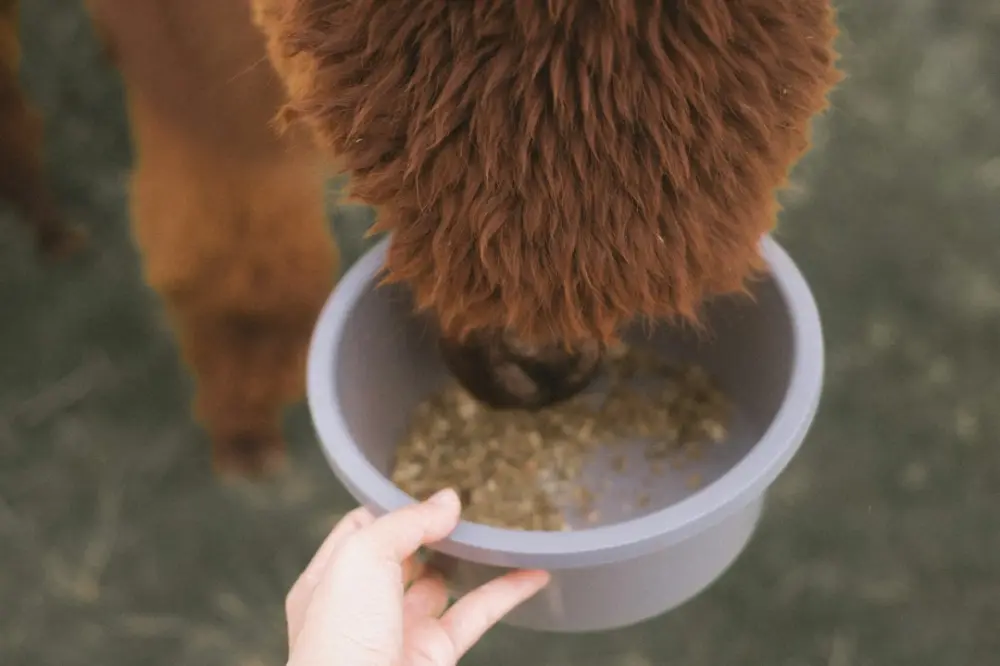
Feeding enrichment is the practice of using interactive puzzles and tactile toys to challenge a cat’s mind during mealtime. Instead of eating from a stationary bowl, cats must solve physical problems to access their food, mimicking the natural sequence of hunting and foraging. This approach provides essential mental stimulation, helping you keep your indoor cat happy while preventing the common health issues associated with a sedentary indoor lifestyle.
While standard bowls are convenient, they often contribute to boredom and rapid overeating. Transitioning to food puzzles helps manage weight by preventing the “scarf and barf” reflex and redirecting energy into a productive task. Success requires matching the puzzle difficulty to your cat's skill level to prevent frustration while encouraging their natural drive to work for rewards.
5 feeding enrichment ideas to try this week
- Slow-feeder mat: Spread wet food on a lick mat so your cat works the meal over ten minutes instead of gulping from a bowl.
- Box puzzle: Hide kibble in a shallow box with toilet-paper tubes so your cat bats and paws to release each piece.
- Wobble dispenser: Use a weighted treat ball that spills one kibble at a time when rolled across a hard floor.
- Foraging board: Cover compartments with sliding lids so your cat learns to nose them open in sequence.
- Scatter hunt: Toss a handful of dry food on a snuffle mat or rug so your cat searches by smell before eating.
Why Enrichment Matters for Modern Cats
Most indoor cats live in a low-stimulus environment where food is guaranteed and movement is optional. This sedentary lifestyle contributes to two major feline health crises: obesity and boredom-related behavioral issues. When a cat is forced to interact with a puzzle feeder, they eat more slowly, which gives their brain time to register satiety signals. This can prevent the common "scarf and barf" reflex where cats eat too quickly and immediately regurgitate their meal.
Beyond weight management, feeding enrichment serves as a vital outlet for energy. Cats that spend their nights knocking items off counters or waking owners for attention are often simply under-stimulated. Providing a complex food puzzle before bedtime can redirect that energy toward a productive task. In scientific terms, this taps into "contra-freeloading," a phenomenon where many animals actually prefer to perform a task to earn their food rather than eating it from a freely available source.
Key Features of Effective Food Puzzles
Not all food puzzles are created equal, and the best choice depends on your cat’s current skill level and frustration threshold. Effective puzzles generally fall into three categories: stationary, mobile, and tactile. Stationary puzzles, like lick mats or silicone trays with small nubs, are excellent for wet food. They require the cat to use their tongue to navigate around obstacles, which is both soothing and time-consuming.
Mobile puzzles, such as rolling plastic eggs or weighted "wobbler" toys, are better suited for dry kibble or freeze-dried treats. These require the cat to use their paws or nose to physically move the object until a piece of food drops out. When selecting a puzzle, look for features like adjustable difficulty settings—usually small sliding doors that can make the exit holes larger or smaller. Durability is also key; look for BPA-free plastics or food-grade silicone that can withstand scratching and can be easily disassembled for cleaning in a dishwasher or hot soapy water.
The Puffin Game: A Smarter Feeding Strategy
The Puffin Game refers to a specific style of tiered feeding that moves beyond a single rolling ball. In this strategy, food is placed in a multi-level tower or a series of interconnected chambers. The cat must reach their paws into narrow openings to bat the food from a higher level down to a lower level until it finally reaches a collection tray at the bottom. This mimics the action of a cat reaching into a crevice or a mouse hole to retrieve prey.
This method is particularly effective for highly intelligent breeds or cats that have mastered simpler rolling toys. It requires fine motor skills and spatial reasoning. If you are following the ultimate feeding guide, you can partition their daily caloric intake so that the "hunt" for kibble in a tiered puzzle makes up the majority of their dry food consumption, while wet food is reserved for stationary lick mats to ensure hydration.
How to Use the Puffin Game in a Real Routine
Introducing a complex feeding strategy requires a gradual transition to avoid frustration. If a cat is used to a bowl and is suddenly presented with a difficult puzzle, they may simply walk away or become stressed. Start by placing the puzzle next to their regular bowl with a few high-value treats sitting loosely on top. Once they associate the object with food, begin putting a small portion of their meal inside, leaving the difficulty settings on the easiest level.
In a real-world routine, you might use the tiered puzzle in the morning before you leave for work. This provides a focused activity during the hours when the house is quiet and the cat is most likely to become bored. For multi-cat households, it is essential to provide multiple stations. Cats are solitary hunters, and forcing them to share a single food puzzle can lead to resource guarding or tension between pets. Spread the puzzles across different rooms or vertical levels, such as on a cat tree or a sturdy shelf, to further encourage movement.
First steps with food puzzles at home
Start with one easy puzzle before you rotate toys.
- Start by offering half the usual meal in the puzzle and half in the bowl for three days.
- First step: pick the easiest dispenser so your cat succeeds on the first try.
- To begin, supervise the first session and show how food is released.
- Follow these steps to increase difficulty only after three clean meals.
- Log which puzzle your cat finishes fastest and rotate weekly.
Overcoming Common Feeding Enrichment Challenges
What if my cat refuses to use the puzzle?
Frustration is the most common hurdle. If your cat gives up, the puzzle may be too difficult. Go back a step and use a DIY version, like an empty egg carton or a muffin tin, where the food is visible but requires a small amount of effort to retrieve. You can also try using higher-value treats to increase their motivation before switching back to standard kibble.
Can I use enrichment with wet food?
Yes, though it requires different tools. Silicone lick mats or "slow feeder" bowls with deep grooves are designed specifically for wet food. These can even be frozen in the summer to provide a cooling, long-lasting snack. Cleaning is more intensive with wet food, so ensure the enrichment tool is dishwasher-safe.
Is it okay for senior cats?
Absolutely. While a senior cat might not want to chase a rolling ball across the room, they still benefit from the mental stimulation of a stationary puzzle. Enrichment can help keep aging brains sharp and encourage light movement that supports joint health without being overly strenuous.
At PetDing, we focus on these small, practical changes to daily habits because they have a compounding effect on long-term feline health. Integrating food puzzles into your routine isn't just about entertainment; it is a fundamental part of a natural approach to nutrition and indoor wellness. By challenging their minds as much as we nourish their bodies, we create a more balanced environment for the modern cat.
PetDing provides general information only. This article is not medical advice, diagnosis, or treatment. Do not use this article as a substitute for advice from a qualified healthcare professional. Always consult your doctor, physician, or clinician before starting, stopping, or changing medication, supplements, diet, or any treatment plan.